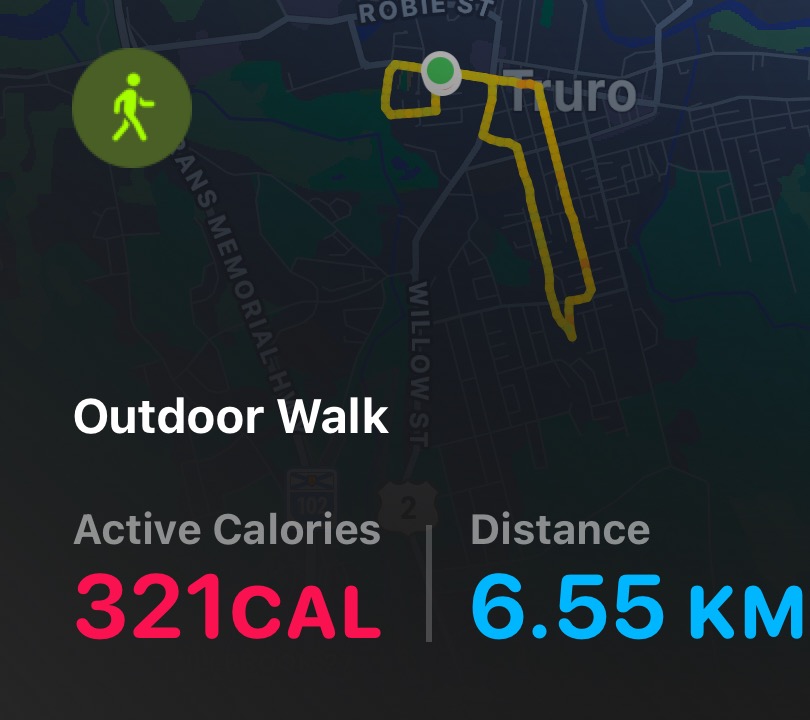
On Day 7 of the Happiness Run for Clean Water and Gender Equality, I worked after school so I didn’t start my 6km until after supper when it was getting dark. Mom and Lyra joined me for a walk through some of the neighbourhoods in town. As dusk settled in, we encountered numerous deer along our route, which prompted Mom to share stories about the wildlife she sees while working in Tanzania. While we often view deer as pests due to their tendency to eat our gardens and landscaping, as well as their role in hosting ticks that carry Lyme disease, Mom’s tales of giraffes, zebras, gazelles, elephants, baboons, and even lions along Tanzanian roadways were fascinating. Lyra, who has grown accustomed to the deer (we have a herd which lives directly across the street from us and they spend a lot of time grazing in our backyard), barely notices them anymore. I doubt either of us would be so brave if we came across elephants or lions!
This walk marks the end of the first week of the Happiness Run. Here are some key takeaways I’ve learned this week:
- Access to clean water should be considered a basic human right for all.
- You need to plan your life around the time it takes to run or walk 6 km each day. I’m sure I’m completing that distance much faster than women around the world do, as most days I’m traveling on groomed paths or sidewalks (or a treadmill), rather than on uneven terrain while carrying 20L/40lbs of water on my head in a jerry can.
- Women around the world are significantly impacted socially, physically, and economically when they need to travel to gather water for their families each day. In Tanzania, this journey can be particularly frightening and dangerous. Women and girls often encounter wild animals such as giraffes, zebras, gazelles, elephants, and even lions along their route. Hippos living in watering holes are among the most dangerous animals. According to safari guides, hippos and mosquitoes (which carry malaria) are two of the largest non-human threats likely to kill women in Tanzania each year. The risk of encountering these animals and insects adds an extra layer of fear and danger to their daily task, making the need for accessible clean water even more critical.
- A woman has 25% more earning potential for every year she is able to stay in school.
Thanks to generous donations from many of you, in one week I have already received pledges and donations which bring me halfway to my $3000 goal! This funding will enable the purchase of a NanoFilter Water Centre in Tanzania, which will provide clean water to a community, offer business education, employ a female entrepreneur with a living wage, provide health information about water-borne illnesses, and reduce the number of single-use plastics in the environment. I’m incredibly grateful for your support!
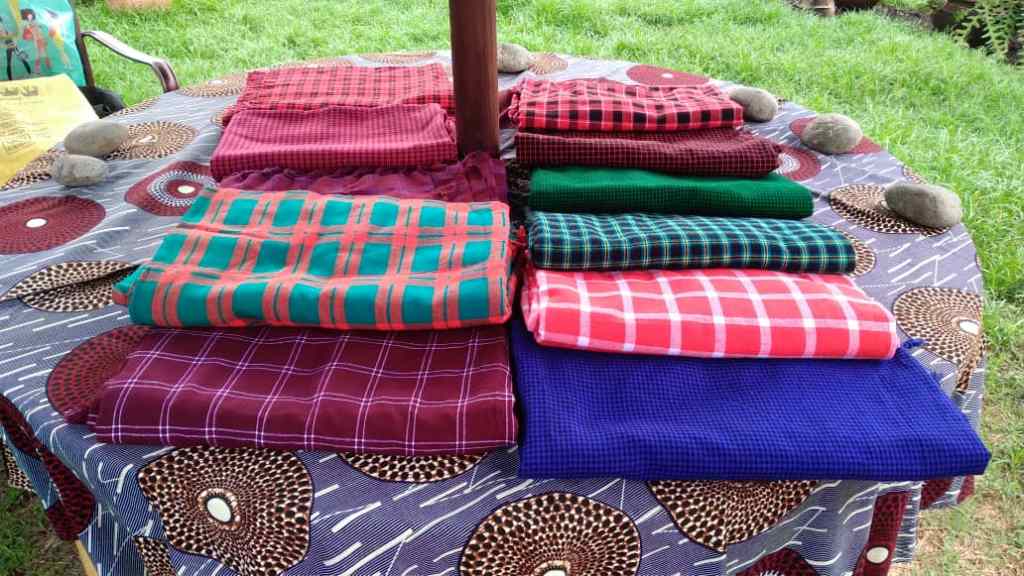
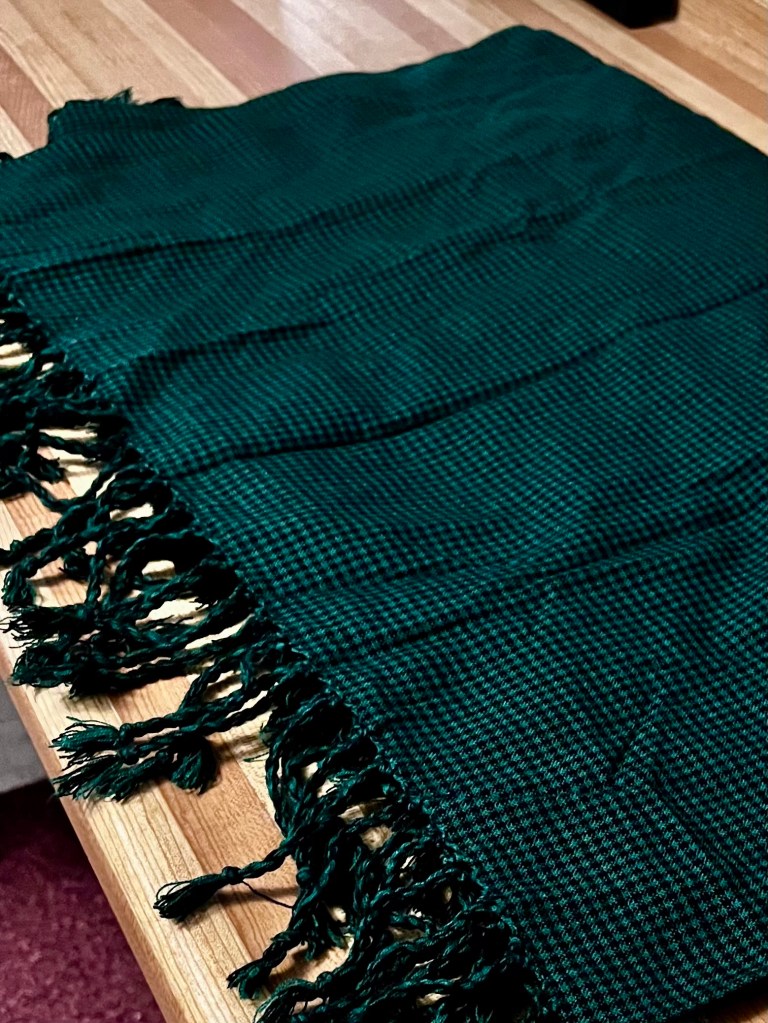
We’re keeping track of each person who has donated to this project and will automatically place each name into a draw for an authentic Maasai Shuka. It is made of a green and black heavy cotton material and, crafted by one of the female entrepreneurs in the Happiness Project, was purchased from her for profit. The Maasai shuka is a traditional cloth worn by the Maasai people of East Africa and is used as clothing, a blanket, or a decorative throw. We’ll make the draw online at the end of the project.
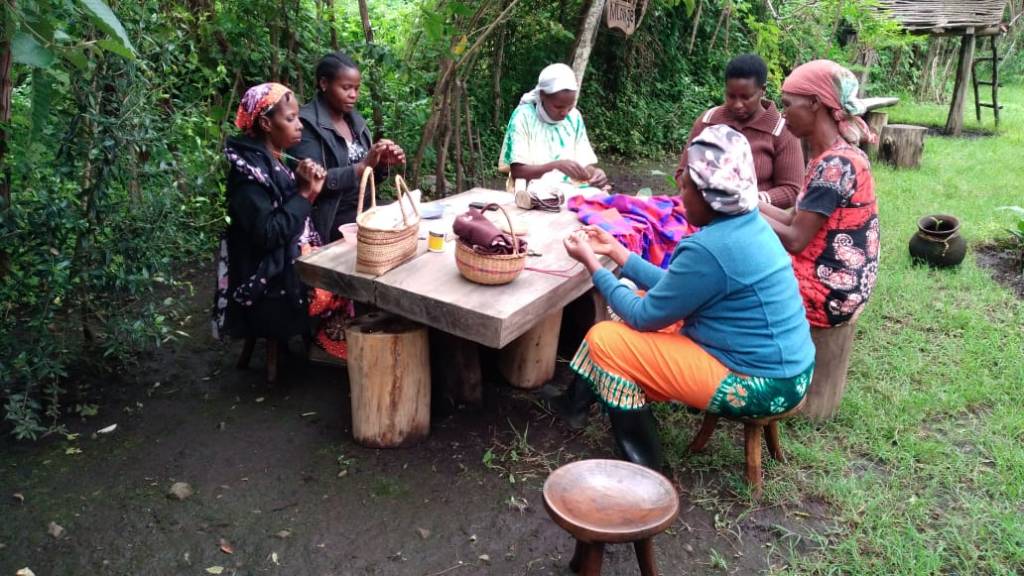
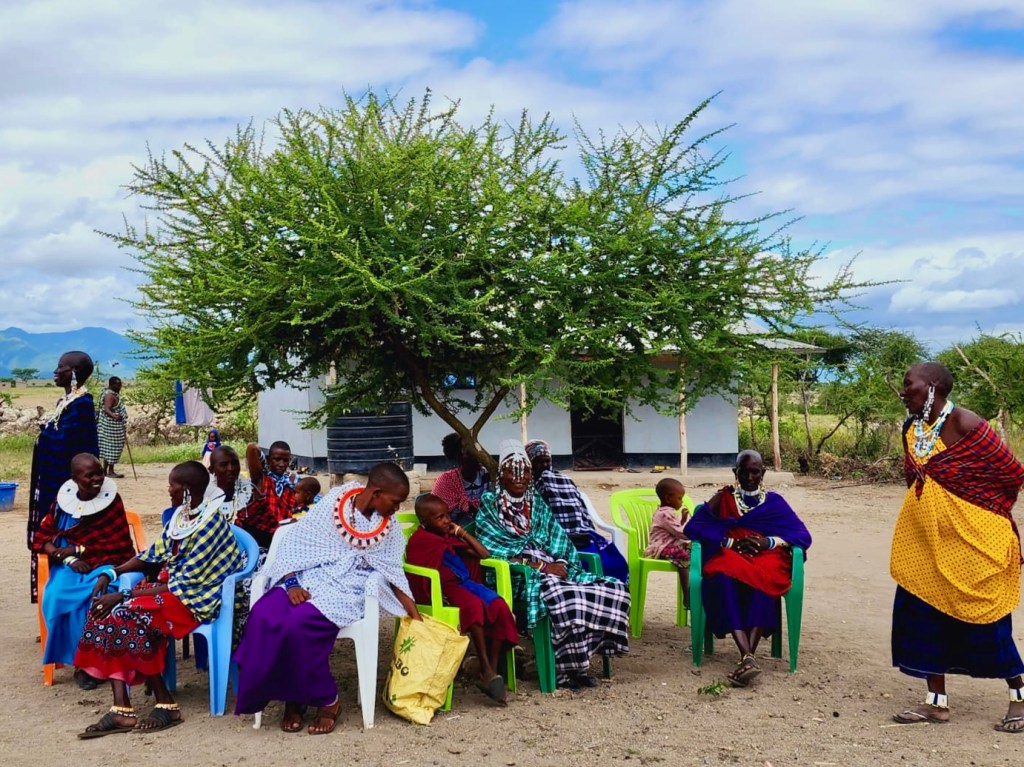
Throughout the next week of the Happiness Run for Clean Water and Gender Equality, I’ll continue to explore similar themes in my daily blogs, but also introduce some new comparisons and hope to have some guest walkers/runners other than my parents join me. I’ll also try to plan my days better to fit in my 6 km walk or run, schoolwork, after-school job, and creating videos and blogs to record my progress in real-time.


Leave a Reply