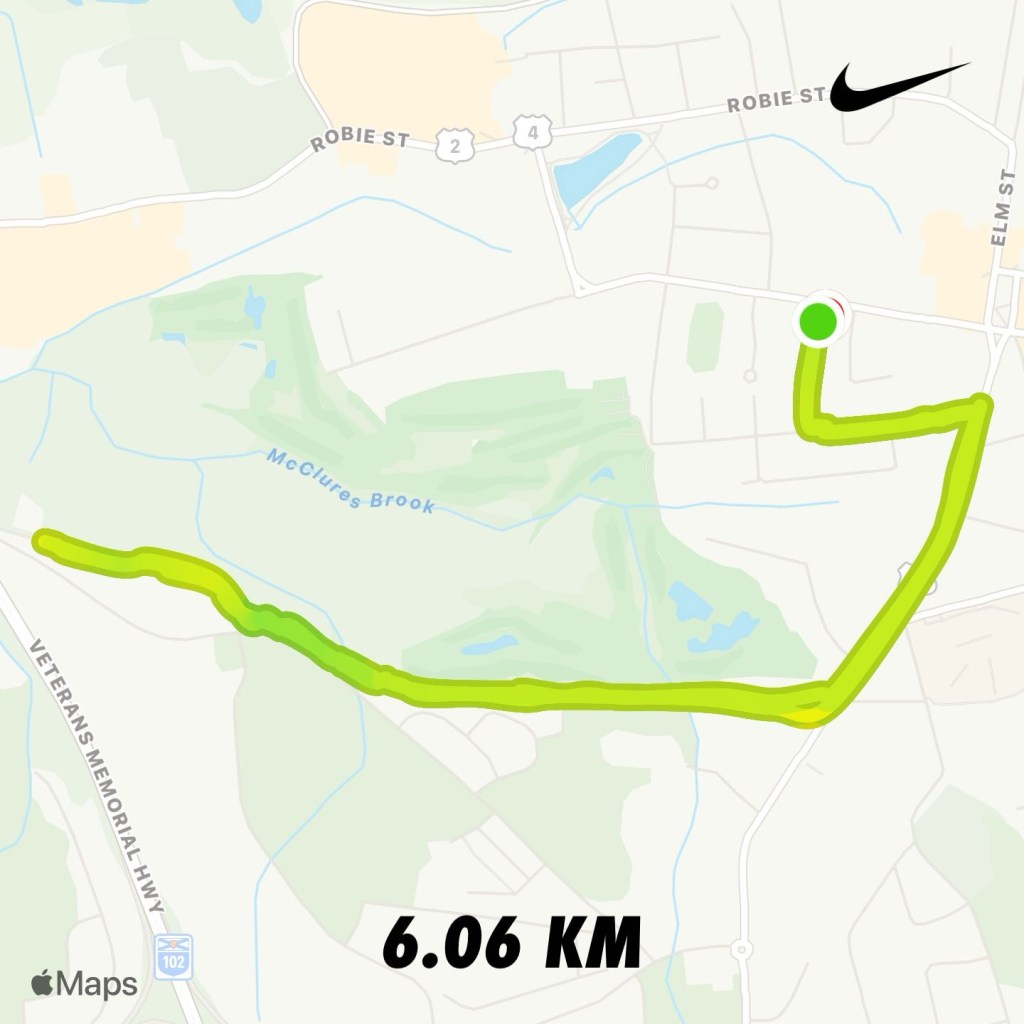
Today was federal election day in Canada, a huge moment for our country and one that really made me reflect during my 6km run. I actually voted a few days ago during the advance polls, but running today, knowing millions of people were heading to the polls, I felt the weight and privilege of that right even more deeply.
I kept thinking: What does it mean to have a voice? To have a say in your future? For me, voting was a powerful reminder that change starts when people show up, speak out, and believe their actions matter. But it also made me realize how many people around the world, especially women and girls, aren’t given that chance.
My sister and I were hired to work at the polls so I timed my run around voting hours and counting ballots. It was a privilege to be involved in the democratic federal election process, not just as a voter, but as a poll clerk, and because of all I’ve learned since beginning this run, I was able to acknowledge that privilege.
In many places, the right to vote or be involved in decision-making is limited, or even denied, based on gender, education, income, or whether individuals are considered “persons” or not.
Did you know that even here in Canada, our First Nations peoples were largely excluded from voting federally until 1960, primarily due to their “Indian” status and sometimes because they did not meet qualifications like property ownership. To vote, they often had to give up their Indian status through enfranchisement, which granted citizenship rights but stripped them of their Indian status. Enfranchisement also automatically applied to the man’s wife and children.
Call to Action: It is crucial that we embrace and act on the recommendations of the Truth and Reconciliation Commission to address these historical injustices and work towards a more inclusive and equitable society.
It’s hard to think about voting or politics when your day revolves around survival. In Tanzania, countless girls and women spend hours every day walking to fetch water. That time adds up. It means missed school, missed work, and missed chances to participate in community life. When someone’s entire day is spent walking for water, it’s not just exhausting, it takes away their power to dream, grow, and lead.
That’s why I care so deeply about this project. It’s not just about installing a water filter. It’s about what clean water represents: freedom, health, and the opportunity to be heard.
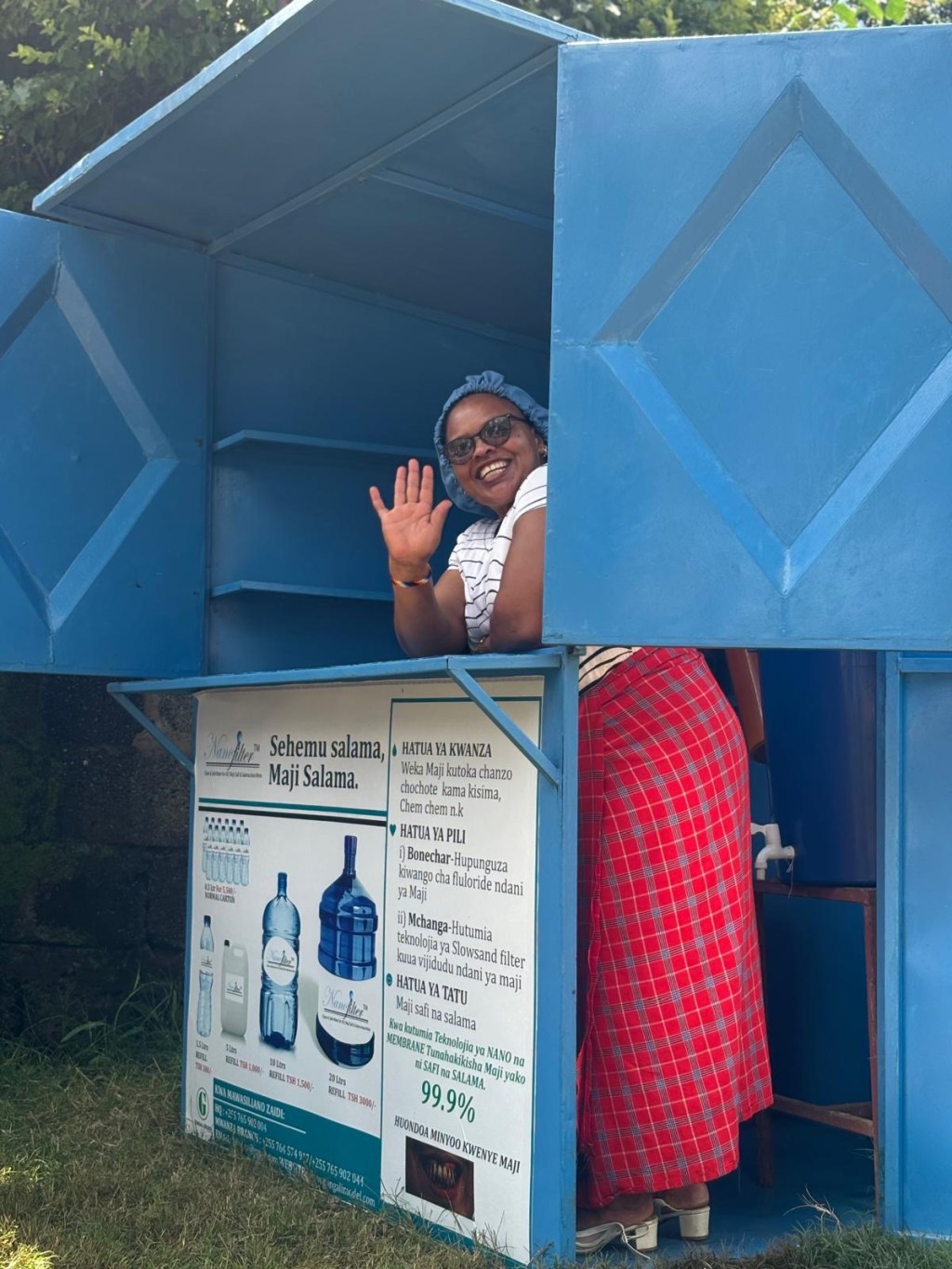
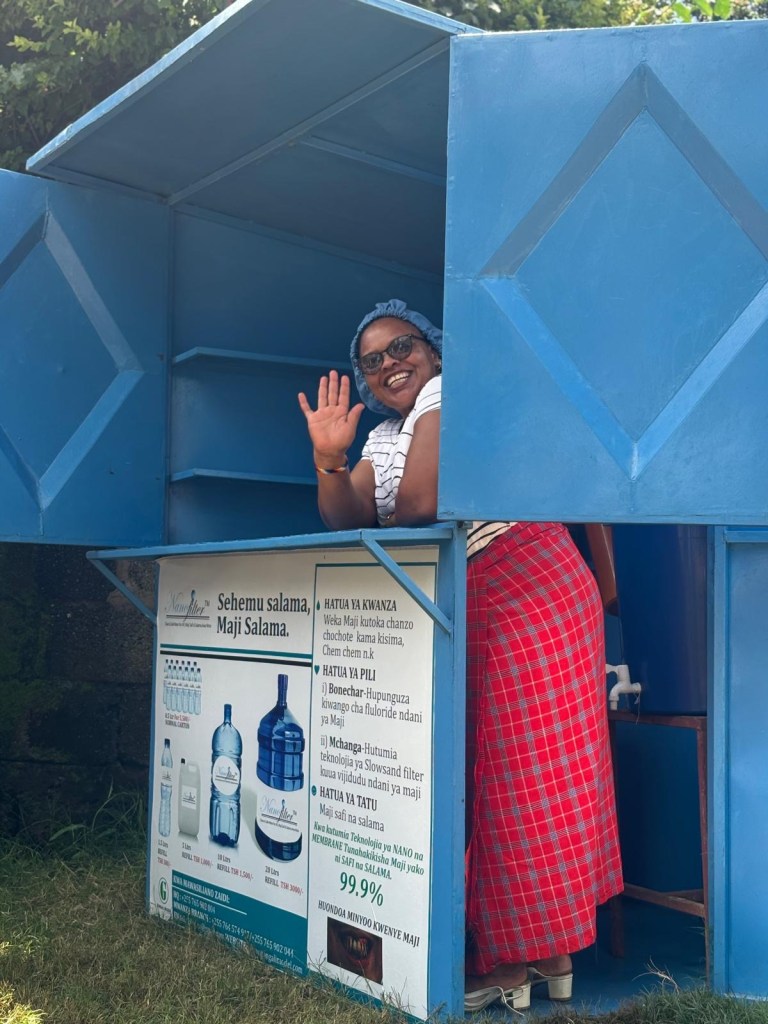
The Nanofilter Water Centre we’re raising money for will do more than just provide safe water. It will be run by a female entrepreneur, trained and supported to manage the center and earn a living wage. She’ll be respected in her community, not just because of the job she holds, but because of the role she plays in helping others. That kind of empowerment has ripple effects: it inspires girls, strengthens families, and creates room for women to take up more space in leadership and decision-making.

So today, while Canada made big decisions at the polls, I ran thinking about those who haven’t had that kind of choice yet, but deserve it just as much.
As I considered the issues addressed by the United Nations Sustainability Goals in this project, I hoped that voters were mindful of their impacts here in Canada:
Goal 3 – Good Health and Well-being: Improving health through access to clean water.
Goal 5 – Gender Equality: Empowering women through employment opportunities.
Goal 6 – Clean Water and Sanitation: Ensuring access to safe and affordable drinking water.
Goal 8 – Decent Work and Economic Growth: Creating sustainable jobs with fair wages.
Voting isn’t the only way we raise our voices. Every step I’ve taken in this Happiness Run is also a way of speaking up for clean water, for gender equality, and for a more just world.
If you are able, please consider donating to this important initiative which will ultimately improve the health of a community through clean water and gender equality.
 Happiness Run for Clean Water and Gender Equality
Leave a comment