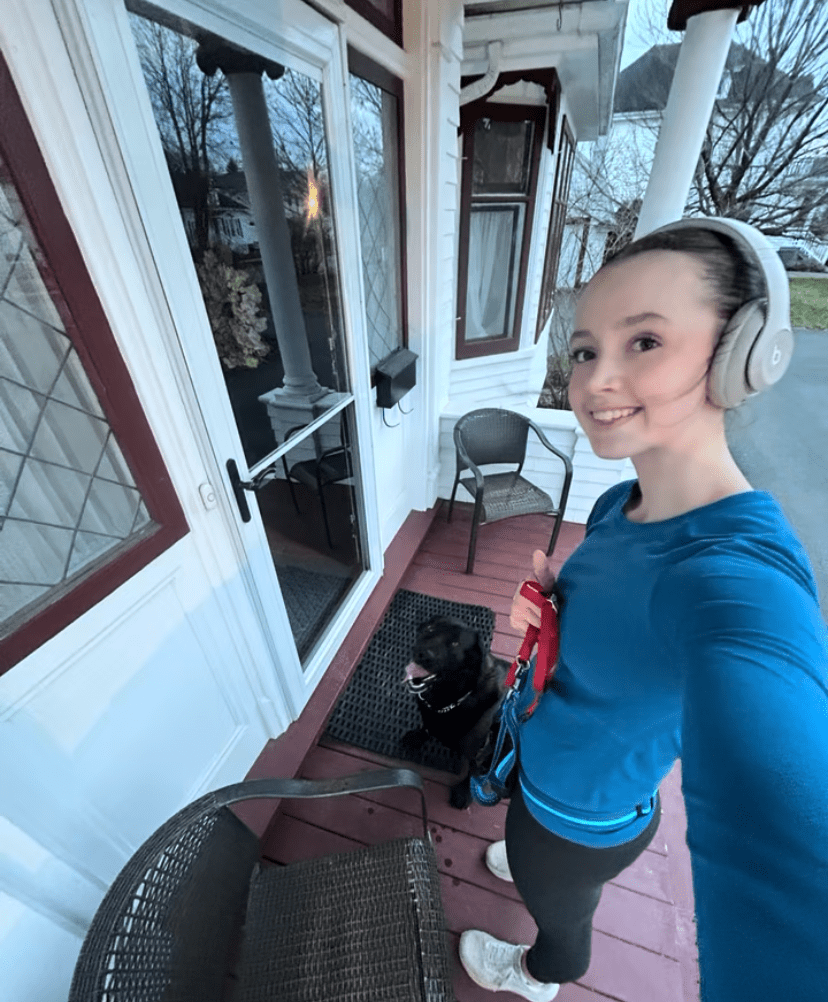
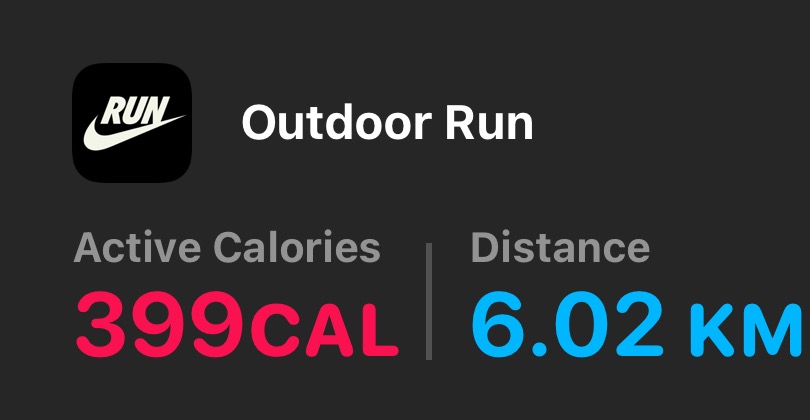
When I started this run and blog, it was the weekend, curling had just wrapped up for the season, and I had more time to spend running or walking 6km each day and then putting videos and blogs together to post. Once the weekend was over and I was back to school, it became so much harder to juggle school, homework, my after-school job, walking or running 6km, and completing the documentation.
This week has given me a reality check of how many sacrifices women in Tanzania and around the world make just to access water, which is a necessity and should be a fundamental human right.
According to several sources which I’ve linked below, the opportunity cost of women having to walk to access water is the loss of time, energy, and potential income that could be used for other activities like education, work, sleep, and family care. Women and girls walk an average of 6 km (3.7 miles) each day collecting water.
I’ve learned that some of the other impacts to women and girls who are responsible for gathering water daily include:
Lost Time and Energy: Walking to collect water can take a significant portion of a woman’s day, leaving less time for education, employment, or caring for family.
Reduced Economic Opportunities: Time spent collecting water means time not spent working, starting businesses, or participating in income-generating activities.
Impact on Education: Long walks to water can discourage girls from attending school, leading to lower literacy rates and fewer opportunities for advancement.
Health Risks: Walking long distances, especially carrying heavy water containers, can be physically demanding and dangerous, particularly for pregnant women.
Reduced Access to Other Resources: The focus on water collection can leave less time and energy for activities like gardening, childcare, or learning new skills.
Social and Psychological Impacts: The burden of water collection can also contribute to feelings of stress, isolation, and powerlessness.
According to the article, “Water is a Women’s Issue“, access to water and sanitation is both a global crisis and a women’s crisis. The burden of collecting water disproportionately falls to women and girls. The link between United Nations Sustainable Development Goals, “Clean Water and Sanitation” (SDG6) and “Gender Equality” (SDG5) is often overlooked. To solve gender equality, we must solve the water crisis. When we solve the water crisis, we will unleash the power and potential of girls and women globally.
According to UNICEF, for every year a girl stays in school, her earning potential increases by as much as 25 percent. Without earnings and education, women will never achieve gender equality. Without safe water and sanitation, they will not maximize their earnings and education.
As I continue my journey with the Happiness Run for Clean Water and Gender Equality, I am reminded of the immense sacrifices women around the world make just to access water. I invite you to join me in making a difference. Please consider donating any amount to help me purchase a NanoFilter Water Centre and employ a Tanzanian woman with a living wage. Your support can help to transform lives by providing safe water and empowering women to achieve their full potential.
Please like, follow, and share my social media pages to spread awareness and inspire others to take action. Together, we can make a positive lasting impact on clean water access and gender equality.
 Happiness Run for Clean Water and Gender Equality
Leave a comment