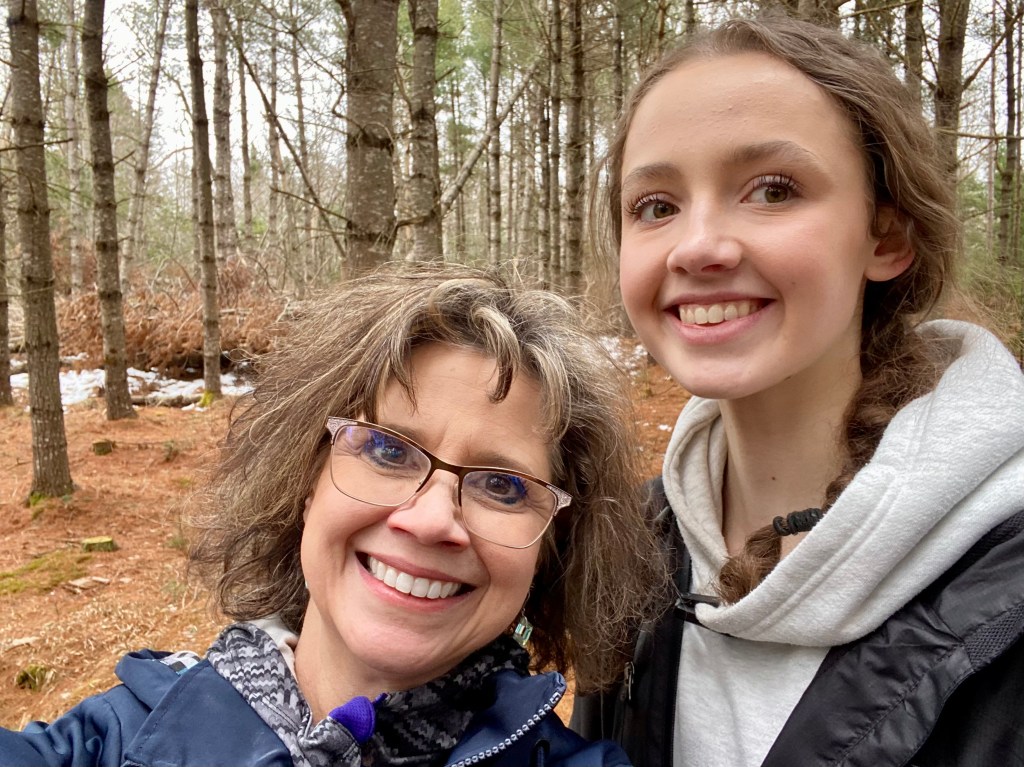
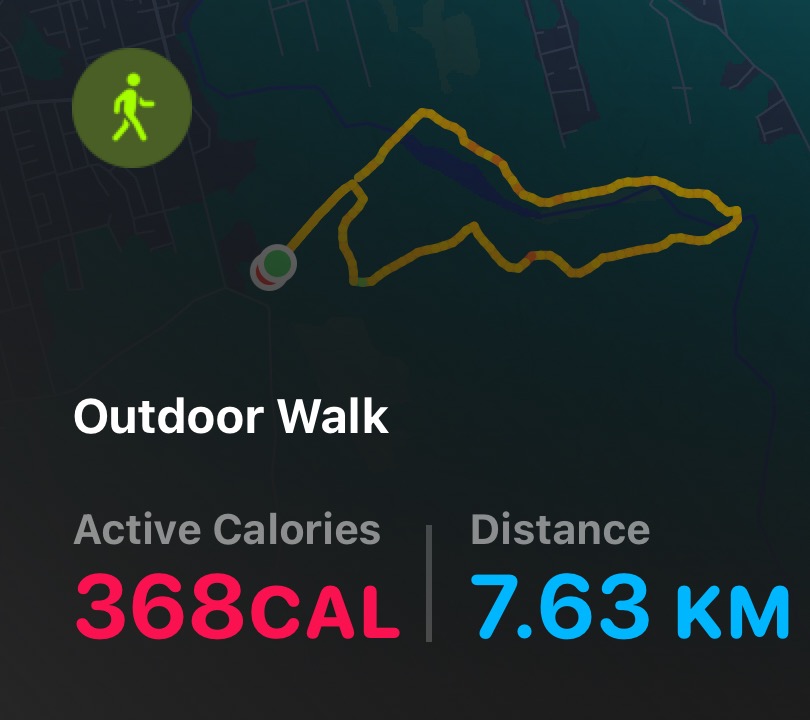
Today was a special day for me as I publicly launched this project. My mom joined me on Day 2 of The Happiness Run for Clean Water and Gender Equality, and together we walked 7.6 km around the Reservoir Trail in our town. It was a beautiful experience, not just because of the time spent with my mom, but also because of what we learned along the way.
I was surprised to discover that the Lepper Brook Watershed is one of the best municipal water supplies in Nova Scotia, with an impressive average yield of 3.65 million gallons (165,932,230 litres) per day. All the treated water meets the Canadian Drinking Water Guidelines established by Health and Welfare Canada. We also found out that the Water Management Program is operating at near 50% capacity, which means there’s substantial room for growth.
This walk made me reflect on how much water we use daily without even thinking about it. From cooking, showering, and flushing toilets to doing laundry, washing dishes, and brushing our teeth, water is a constant part of our lives. In the summer, we even use sprinklers to water our gardens and lawns.
For my family to have access to this clean water on demand from the Lepper Brook Watershed, we pay Truro Water Utility a base rate of $63.44 each quarter ($21.15 per month), and then a water consumption fee of $0.98 per cubic metre (1000L) of water used. We also pay a sewer rate of $0.80 for the same consumption measurement. On average, our household of three consumes approximately 0.72 cubic metres (720L) of water each day. Statistics Canada reports that the average residential water use per person per day is around 223 litres.
Thinking about our easy access to water made me consider the women in Tanzania who walk an average of 6 km to collect water in a jerry can and bring it back home. They typically carry 20 litres at a time, which weighs about 40 pounds. Depending on the size of the family and the household’s needs, these women may make this trip multiple times a day.
According to UNICEF, the opportunity costs of collecting water for women are high, with far-reaching effects. It considerably shortens the time they have available to spend with their families, on child care, other household tasks, or even in leisure activities. For both boys and girls, water collection can take time away from their education and sometimes even prevent them from attending school altogether. Collection of water can affect the health of the whole family, particularly children. When water is not available at home, even if it is collected from a safe source, the fact that it has to be transported and stored increases the risk that it is fecally contaminated by the time it is drunk.
Tanzanian women generally bear a heavier burden of work. They contribute significantly to the family income and are also responsible for child-rearing and most household chores, including fetching water and wood for fuel. Studies suggest that an average woman’s workday is 6½ hours longer than that of the average man.
As the United Nations Sustainable Development Goal #6: Clean Water and Sanitation states, “access to water, sanitation, and hygiene is a human right.” Water is essential for jobs, livelihoods, and thriving economies. Access to clean water and sanitation also improves public health and frees up time, enabling more people—especially women—to participate in the workforce. Investing in water security is not just about survival; it’s about building stronger, more resilient economies.
As UNICEF’s global head of water, sanitation, and hygiene, Sanjay Wijesekera, wisely states, “No matter where you look, access to clean drinking water makes a difference in the lives of people. The needs are clear; the goals are clear. Women and children should not have to spend so much of their time for this basic human right.” This quote resonates with the mission of The Happiness Run for Clean Water and Gender Equality. Our walk today highlighted the contrast between our easy access to clean water and the daily struggles faced by women in Tanzania. Every step we take in this journey brings us closer to a world where clean water is a given, not a privilege, and where women and children can spend their time on education, family, and personal growth rather than on the arduous task of water collection.
With each donation toward the purchase of a NanoFilter Water Centre in Tanzania, we can make a difference together in the lives of women, children, and communities.
 Happiness Run for Clean Water and Gender Equality
Leave a comment